

01dragonslayer
VET
- Joined
- Apr 8, 2018
- Messages
- 2,506
Tendon strengthening exercises for punching durability should include isometrics, heavy slow resistance training, and plyometrics. Your tendons adapt more slowly than your muscles, so you'll need consistency across all three phases to build real stiffness and load tolerance.
Rice bucket drills, slow reverse wrist curls, and knuckle conditioning are essential for grip and wrist durability. Stick with structured training for 8–12 weeks, and everything about your punching durability starts to make a lot more sense.
Building tendon strength requires deliberate, specific work. Isometric exercises create tension without movement, making them ideal for early-stage tendon loading. Heavy, slow resistance training develops tendon thickness and load tolerance over time. Neither approach produces overnight results, which is why consistency matters more than intensity.
Collagen supplementation supports tissue repair, but it won't replace structured training. Injury prevention depends on respecting tendon adaptation timelines, not just chasing strength gains that your muscles are already ready to handle.
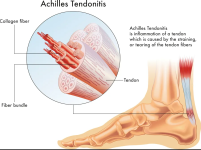
Start with isometric exercises. Wrist holds, forearm pronation, and shoulder external rotation build foundational tendon stiffness without heavy load stress. Layer in heavy, slow resistance training to develop tendon thickness and load tolerance over time.
Isometric holds build the tendon stiffness that heavy slow resistance training then transforms into real load tolerance.
Add plyometric training through medicine ball throws and plyometric push-ups to develop elastic, reactive force, the kind that actually transfers into punch speed and power.
Finally, don't skip recovery protocols. Collagen supplementation, adequate protein, and structured deload weeks guarantee your tendons adapt rather than break down. Consistency across all three phases is what creates lasting durability.
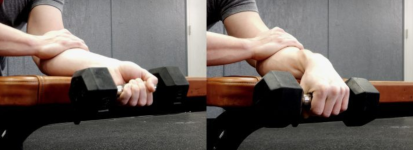
Start with knuckle conditioning using push-ups on soft surfaces before graduating to harder ones. Rice bucket drills build grip endurance and wrist stability simultaneously. Slow reverse wrist curls and wrist rollers develop load tolerance through progressive overload, thickening tendons over time.
Don't skip recovery and support protocols. Collagen with vitamin C taken pre-training accelerates tendon adaptation. Train these movements two to three times weekly, keeping intensity controlled. Consistency here directly translates into a more durable, powerful punch.
Train tendon-focused work two to three times weekly, alternating between isometrics, heavy slow resistance, and plyometrics that develop elastic energy and rate of force development. Don't stack all methods in one session. Prioritize elbow resilience by limiting aggressive loading during the first four weeks, then progress gradually. Include shoulder stability work every session to reduce downstream tendon strain.
Every fourth week, apply deload strategies. Cut volume by forty percent while maintaining intensity. Watch for persistent joint stiffness or soreness lasting beyond forty-eight hours, as these signal that your tendons need more recovery time.
Full load tolerance develops closer to the twelve-week mark. Exercises like medicine ball drills and resistance bands accelerate elastic tendon remodeling, while scapular stability work reduces compensatory stress on shoulder tendons.
Stay consistent, progress loads gradually, and avoid skipping deload weeks. Rushing the timeline increases injury risk rather than shortening it. Patience combined with structured programming is what ultimately builds durable, high-performing tendons for striking.
Rice bucket drills, slow reverse wrist curls, and knuckle conditioning are essential for grip and wrist durability. Stick with structured training for 8–12 weeks, and everything about your punching durability starts to make a lot more sense.
Why Tendons Fail Fighters Before Muscles Do
When you push your training hard enough, your muscles adapt faster than your tendons ever will. That gap is exactly where injuries happen. Tendons have poor blood supply, meaning they rebuild slowly and absorb cumulative stress without obvious warning signs. Damage has already occurred by the time you feel pain.Building tendon strength requires deliberate, specific work. Isometric exercises create tension without movement, making them ideal for early-stage tendon loading. Heavy, slow resistance training develops tendon thickness and load tolerance over time. Neither approach produces overnight results, which is why consistency matters more than intensity.
Collagen supplementation supports tissue repair, but it won't replace structured training. Injury prevention depends on respecting tendon adaptation timelines, not just chasing strength gains that your muscles are already ready to handle.
The Best Tendon Strengthening Exercises for Punching
Knowing why tendons fail is only half the equation. The other half is knowing what to do about it. Building tendon strength for punching durability requires a layered approach that targets different tendon properties simultaneously.Start with isometric exercises. Wrist holds, forearm pronation, and shoulder external rotation build foundational tendon stiffness without heavy load stress. Layer in heavy, slow resistance training to develop tendon thickness and load tolerance over time.
Isometric holds build the tendon stiffness that heavy slow resistance training then transforms into real load tolerance.
Add plyometric training through medicine ball throws and plyometric push-ups to develop elastic, reactive force, the kind that actually transfers into punch speed and power.
Finally, don't skip recovery protocols. Collagen supplementation, adequate protein, and structured deload weeks guarantee your tendons adapt rather than break down. Consistency across all three phases is what creates lasting durability.
Grip and Wrist Exercises That Build Punch Durability
Every punch you throw travels through your wrist and grip before it ever reaches the target. If those structures are weak, you're leaking power and inviting injury. Prioritizing wrist health means training the entire muscle-tendon unit through targeted, progressive work.Start with knuckle conditioning using push-ups on soft surfaces before graduating to harder ones. Rice bucket drills build grip endurance and wrist stability simultaneously. Slow reverse wrist curls and wrist rollers develop load tolerance through progressive overload, thickening tendons over time.
Don't skip recovery and support protocols. Collagen with vitamin C taken pre-training accelerates tendon adaptation. Train these movements two to three times weekly, keeping intensity controlled. Consistency here directly translates into a more durable, powerful punch.
How to Program Tendon Strengthening Without Overloading
Building grip and wrist durability through rice buckets and slow curls is only half the equation. Knowing how to structure that work without accumulating too much tendon stress is what keeps you progressing long-term.Train tendon-focused work two to three times weekly, alternating between isometrics, heavy slow resistance, and plyometrics that develop elastic energy and rate of force development. Don't stack all methods in one session. Prioritize elbow resilience by limiting aggressive loading during the first four weeks, then progress gradually. Include shoulder stability work every session to reduce downstream tendon strain.
Every fourth week, apply deload strategies. Cut volume by forty percent while maintaining intensity. Watch for persistent joint stiffness or soreness lasting beyond forty-eight hours, as these signal that your tendons need more recovery time.
How Long Before Tendon Strengthening Exercises Pay Off?
How long you'll wait before noticing real tendon adaptation depends on the tissue itself. Tendons respond more slowly than muscle, typically requiring eight to twelve weeks of consistent training before meaningful structural changes occur. You'll likely feel improved grip stability and reduced wrist discomfort around weeks six to eight.Full load tolerance develops closer to the twelve-week mark. Exercises like medicine ball drills and resistance bands accelerate elastic tendon remodeling, while scapular stability work reduces compensatory stress on shoulder tendons.
Stay consistent, progress loads gradually, and avoid skipping deload weeks. Rushing the timeline increases injury risk rather than shortening it. Patience combined with structured programming is what ultimately builds durable, high-performing tendons for striking.


